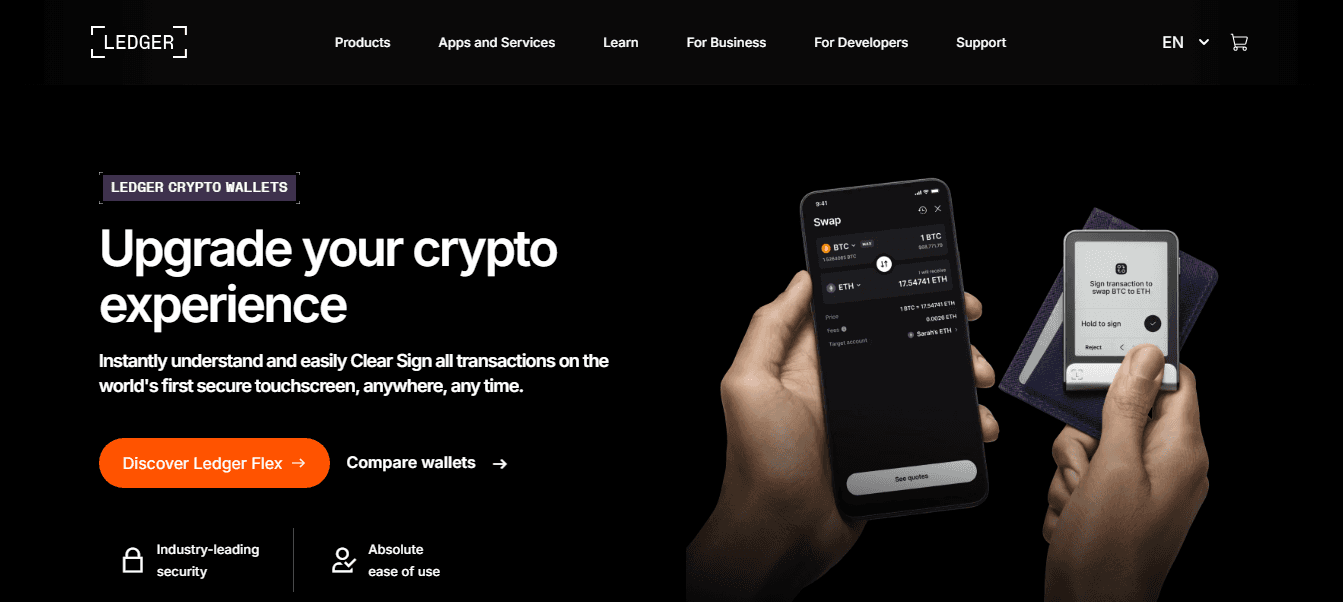
Ledger Login: Secure Access to Your Cryptocurrency Wallet
Ledger login refers to the process of securely accessing a Ledger hardware wallet through its companion software. Unlike traditional online logins that rely on usernames and passwords, Ledger login is built around hardware-based authentication, ensuring that users maintain full control over their cryptocurrency assets at all times. This approach significantly reduces the risks associated with hacking, phishing, and unauthorized access.
In the world of digital assets, security is a top priority. Ledger login is designed to protect private keys, confirm user identity through physical verification, and prevent malicious activity. Understanding how the Ledger login process works is essential for anyone using a Ledger hardware wallet.
What Is Ledger Login?
Ledger login is the method by which users access their cryptocurrency accounts using a Ledger hardware wallet. Instead of logging in through a web account or cloud-based service, users authenticate themselves by connecting their physical Ledger device and entering a secure PIN directly on the device.
This process ensures that sensitive information, such as private keys, never leaves the hardware wallet. Ledger login does not involve storing passwords online or relying on centralized authentication systems, making it one of the safest ways to access digital assets.
Why Ledger Login Is Different from Traditional Logins
Traditional logins typically depend on usernames, passwords, and sometimes two-factor authentication. While these methods offer some protection, they remain vulnerable to phishing attacks, malware, and data breaches.
Ledger login differs in several important ways:
No username or password is stored online
Authentication requires a physical device
Private keys remain offline at all times
Transactions require manual confirmation
This hardware-based security model makes Ledger login highly resistant to online threats.
How Ledger Login Works
The Ledger login process is simple but highly secure. It involves a combination of software access and physical device verification.
Step 1: Connecting the Device
To begin the login process, users connect their Ledger hardware wallet to a computer or mobile device. Once connected, the wallet communicates securely with the Ledger application.
Step 2: Entering the PIN Code
After connecting the device, users must enter their PIN directly on the Ledger hardware wallet. This PIN unlocks access to the device and confirms the user’s identity.
The PIN is never typed on a keyboard, which prevents keyloggers and malware from capturing it.
Step 3: Device Verification
Once unlocked, the Ledger application verifies the authenticity of the hardware wallet. This step ensures that the device has not been tampered with and is running genuine firmware.
Step 4: Accessing Accounts
After successful verification, users gain access to their cryptocurrency accounts, balances, and transaction history. From here, they can manage assets securely.
Importance of the PIN in Ledger Login
The PIN is a critical part of the Ledger login process. It acts as the first line of defense against unauthorized access.
Key points about the PIN include:
It is created during initial device setup
It must be entered on the device itself
Multiple incorrect attempts trigger security measures
Losing the PIN does not mean losing funds if the recovery phrase is available
Users should choose a strong PIN and avoid sharing it with anyone.
Role of the Recovery Phrase in Login and Recovery
While the PIN enables daily access, the recovery phrase is the ultimate backup. It is generated during the initial setup and consists of a unique sequence of words.
The recovery phrase allows users to restore their wallet if:
The device is lost or stolen
The device is damaged
The PIN is forgotten and the device resets
It is important to note that the recovery phrase is not used for daily login but is essential for account recovery. It should always be stored offline in a secure location.
Security Features Supporting Ledger Login
Ledger login is supported by multiple layers of security that work together to protect user assets.
Offline Private Key Storage
Private keys are stored securely inside the Ledger hardware wallet. They never appear on the computer or mobile device during login.
Physical Confirmation
Sensitive actions require physical confirmation on the Ledger device, ensuring that no transaction can be completed without user approval.
Secure Element Technology
Ledger devices use secure hardware components designed to resist tampering and attacks.
Firmware Integrity Checks
The Ledger application verifies that the device firmware is authentic and up to date before granting access.
Common Ledger Login Issues and Solutions
While Ledger login is generally smooth, users may encounter occasional issues.
Device Not Recognized
This can occur due to connection problems or outdated software. Reconnecting the device or restarting the application often resolves the issue.
Incorrect PIN Attempts
Entering the wrong PIN multiple times can result in temporary lockouts or device resets. If the device resets, users can restore access using the recovery phrase.
Firmware Compatibility Issues
Outdated firmware may prevent successful login. Keeping the device updated ensures compatibility and security.
Best Practices for Safe Ledger Login
To maintain the highest level of security, users should follow these best practices:
Never share the PIN or recovery phrase
Always enter the PIN privately
Verify device authenticity during login
Avoid using shared or public computers
Keep firmware and applications updated
These practices help protect against both digital and physical threats.
Ledger Login and Privacy
Ledger login is designed with privacy in mind. Users are not required to create online accounts or provide personal information to access their wallets.
Because authentication is device-based, there is no centralized database of user credentials. This reduces the risk of data breaches and enhances user privacy.
Who Should Use Ledger Login?
Ledger login is ideal for:
Cryptocurrency holders prioritizing security
Long-term investors managing significant assets
Users seeking self-custody solutions
Individuals concerned about online threats
Its hardware-based authentication makes it suitable for both beginners and experienced users.
Advantages of Ledger Login
Some of the key advantages include:
Strong protection against hacking
No reliance on passwords or online accounts
Full control over private keys
Reliable recovery options
Secure access across devices
These benefits make Ledger login a trusted method for accessing digital assets.
Ledger Login vs Exchange Login
Unlike exchange logins, which depend on centralized platforms, Ledger login places control entirely in the user’s hands. Exchanges store funds and credentials on their servers, making them potential targets for hackers.
Ledger login eliminates this risk by keeping assets offline and requiring physical confirmation for access.
Conclusion
Ledger login is a secure and reliable method for accessing cryptocurrency wallets. By combining hardware-based authentication, PIN protection, offline private key storage, and recovery phrase backup, it offers a level of security that traditional login systems cannot match.
For anyone serious about protecting digital assets, Ledger login provides peace of mind, privacy, and complete control. With proper use and adherence to best practices, it serves as a strong foundation for safe and confident cryptocurrency management.